
The questions families ask before they hire me
Three long reads. No email required, nothing gated. If you want the whole picture in one sitting, watch the masterclass instead.

Top questions parents ask before booking
Eleven questions answered straight, including how much time it takes each week, what role parents play, and why the price is not on this website.
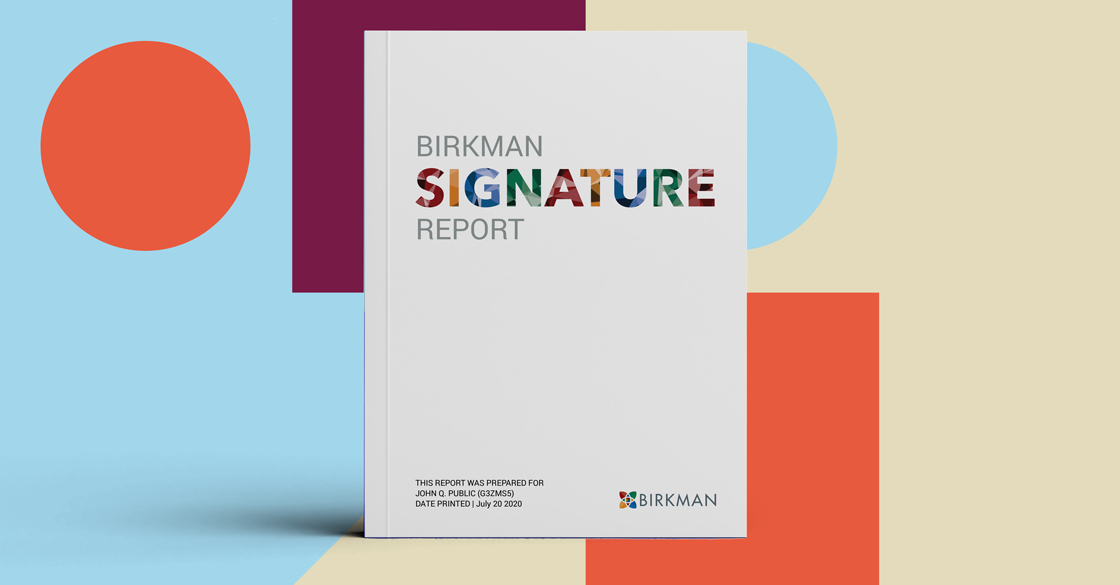
Why we use the Birkman Method
What a research-backed behavioral assessment actually tells you about a seventeen-year-old, and why it is not the same thing as a free personality quiz.

Inside the 8-week program, week by week
What happens in each of the eight sessions, what your teen does between them, and what they walk out holding at the end.
Want the whole picture instead?
FREE MASTERCLASS - 45 MINUTES
The masterclass covers all of this in 45 minutes, plus three real students start to finish. Watch it whenever, pause it, come back to it.
FREE CLARITY CALL - 45 MINUTES
Read enough?
A free 45-minute Clarity Call is where we stop talking about families in general and talk about yours.